Textile Warp Wallcoverings — From Thread to Wall
Some wallcoverings make their presence known through pattern or colour. Others reveal themselves through material. Textile warp wallcoverings, also known as Fil à Fil, belong to the latter. Made from fine textile threads, their beauty lies in repetition, texture and the subtle movement of fibres across the wall.
For Omexco, textile warp has a particular significance. It was once the company’s sole product, making this understated wallcovering an important part of the story from which Omexco grew. Today, it remains a signature material, continuously reinterpreted through new fibres, colours, printing techniques and designs.
A wallcovering made from thread
What is textile warp?
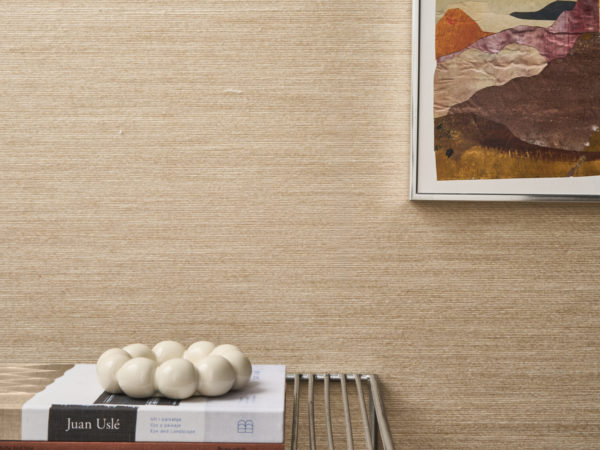
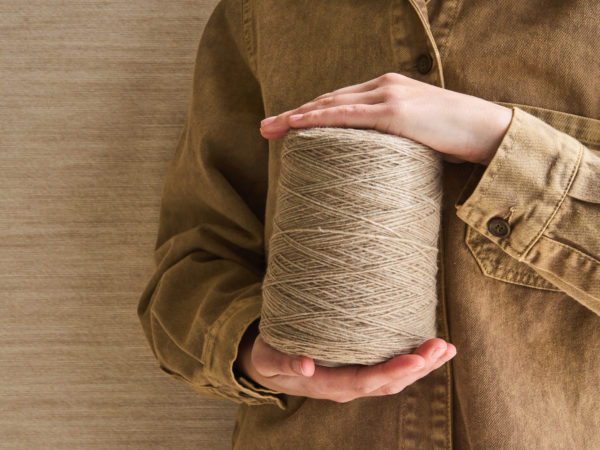
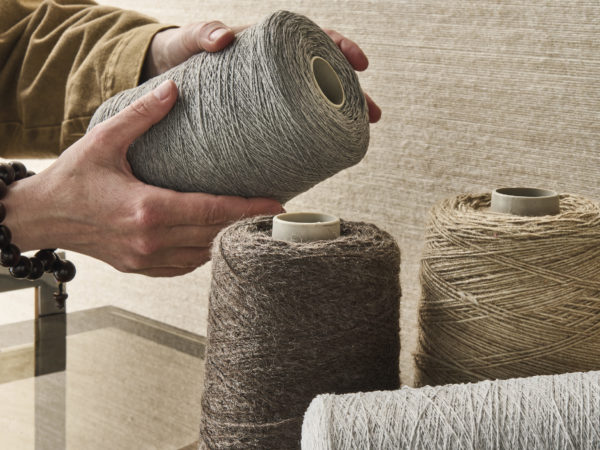
Textile warp is a wallcovering created from fine threads arranged vertically across the surface. Rather than forming a conventional printed pattern, the threads themselves become the design. From linen and wool to viscose and chenille, each fibre brings its own texture and character Their natural rhythm creates a finely striped, tactile appearance, while subtle variations in fibre, colour and light give the wall depth and movement. Seen from a distance, the effect is calm and architectural. Up close, the individual threads and their textile character become visible.
From textile warp to wallcovering
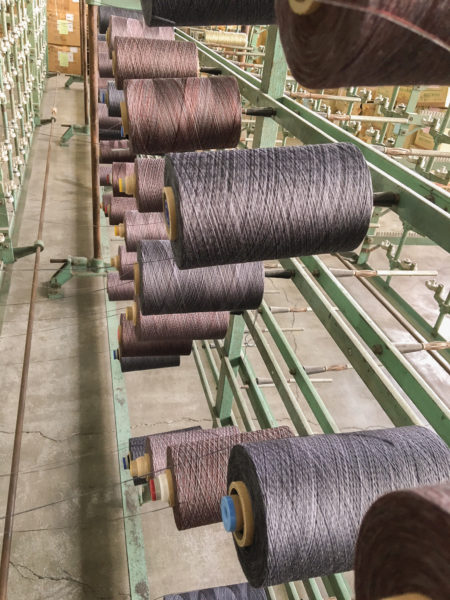
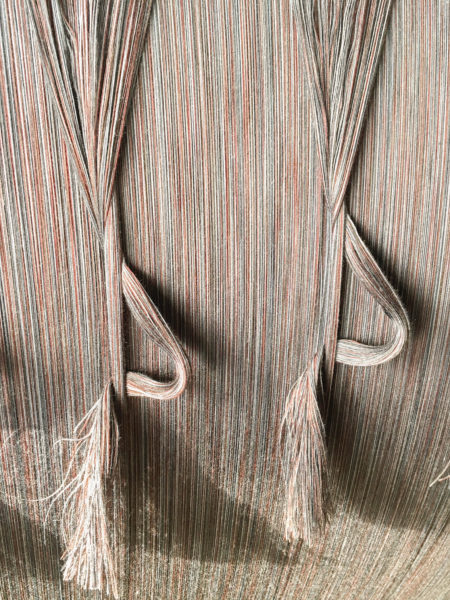
The distinctive appearance of textile warp comes from its construction. Fine textile threads are aligned closely together and bonded onto a backing, forming a continuous vertical surface. The precision of the warp creates structure, while the fibres retain a softness and subtle irregularity that gives the material its character.
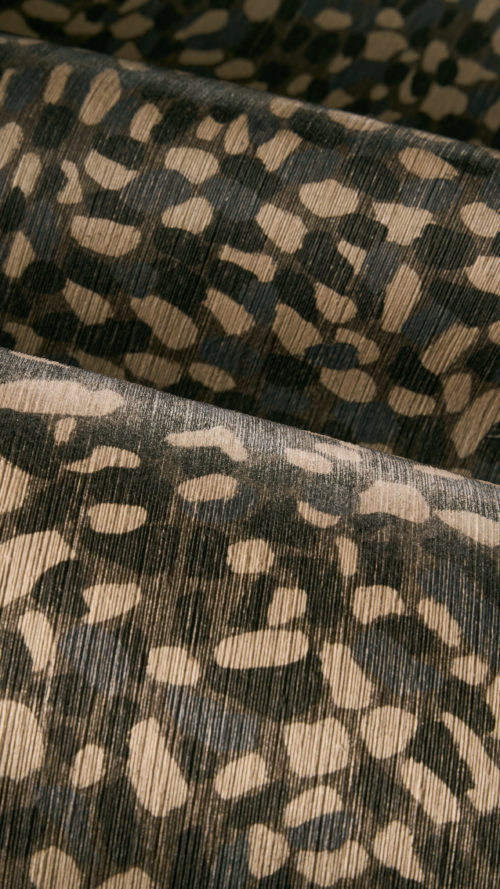
Different yarns, colours and combinations can completely change the effect, from understated and tonal to richer, more expressive surfaces. By experimenting with materials, printed finishes and contemporary designs, this traditional technique continues to evolve, offering new interpretations of a timeless textile. The result is a wallcovering that sits somewhere between textile and architecture.
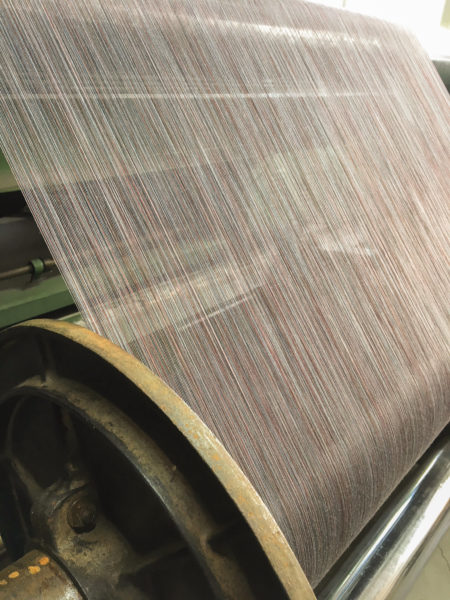
The textile warp effect
Textile warp brings rhythm to a wall without introducing an obvious motif. Its vertical structure can subtly emphasise the height of a space, or the width, when hung horizontally. As daylight changes, the fibres catch the light differently, allowing the wall to shift gently throughout the day.
An understated material with a strong identity
Its simplicity makes textile warp remarkably versatile. It can become a discreet backdrop within an interior or take on a stronger presence through colour and texture. Easy to incorporate into a wide range of interiors, it brings an immediate sense of depth and refinement without overwhelming a space. This balance of simplicity and character is what keeps textile warp as relevant and sought-after today as ever. For Omexco, however, its importance goes beyond aesthetics.
Before the collections expanded into mica, natural fibres, wood, cork, textile and other innovative materials, there was Fil à Fil, Omexco’s textile warp wallcovering. As the company’s original and once sole product, it already contained many of the qualities that continue to shape the brand today: materiality, craftsmanship, texture and understated refinement.
What began with a single textile warp became the foundation for a much broader exploration of walls.
Our Favourite Textile Warp Projects
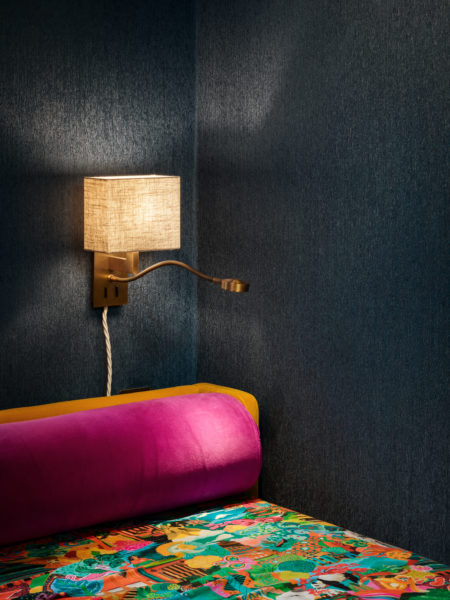
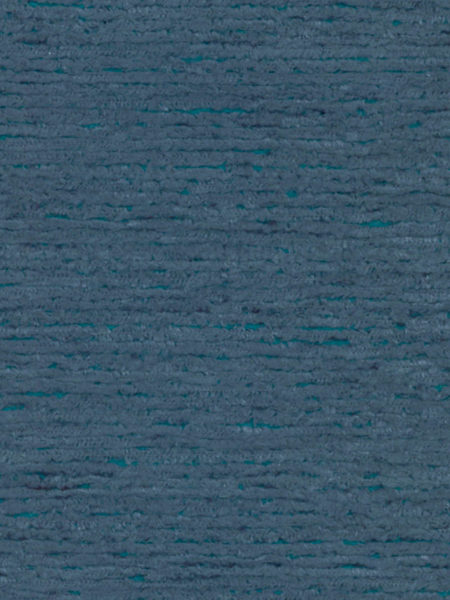
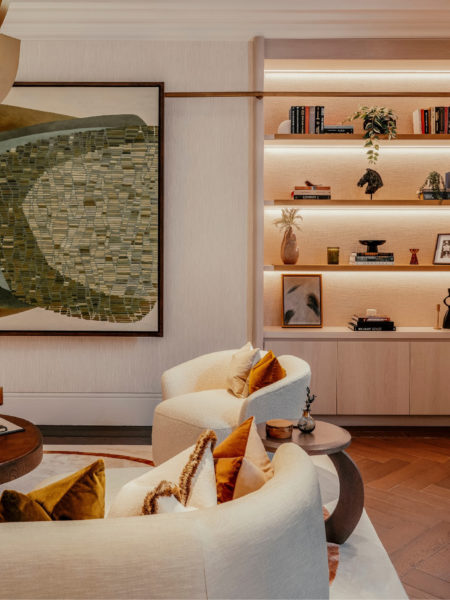
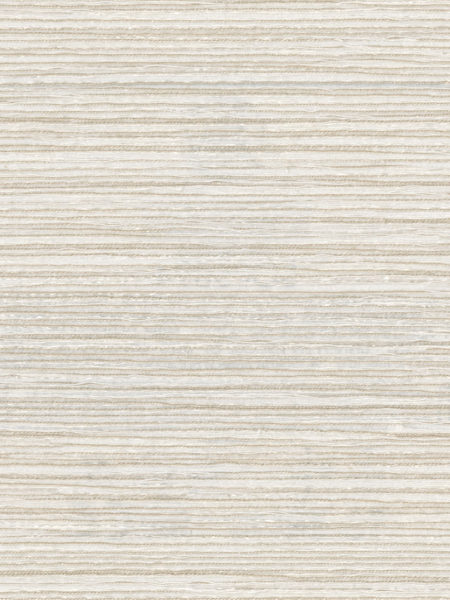
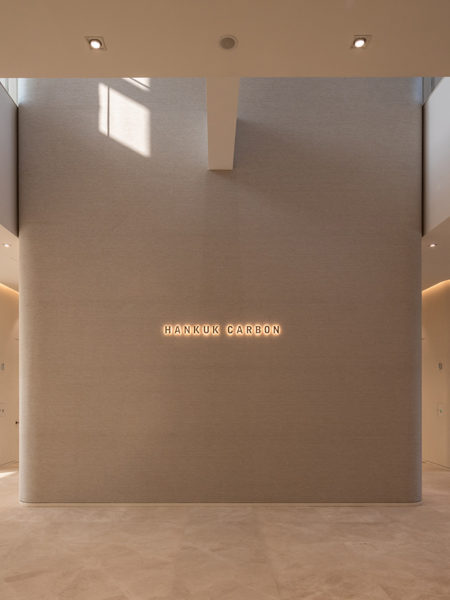
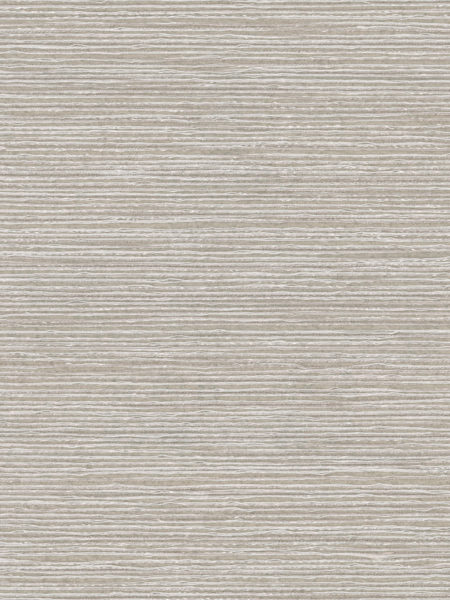
Discover our Textile Warp wallcoverings — From subtle textile textures to distinctive colour combinations.